
Ravnir
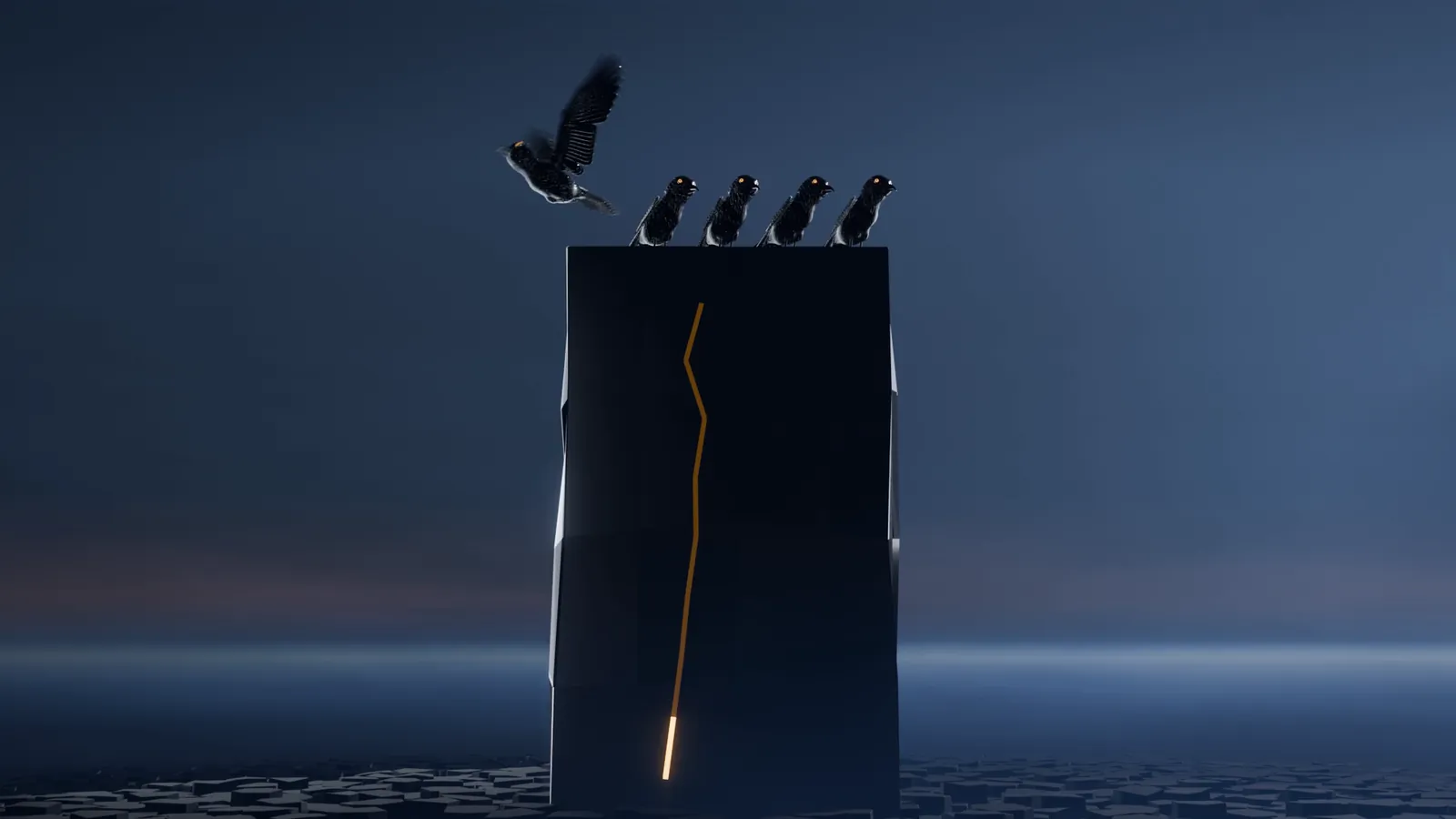
A dark server tower at dusk with four ravens perched on top and a fifth taking off

Ravnir runs persistent AI agents on your own server, or on a computer that stays on. Give each one a job, a model and its own browser. They keep working after you close the tab, and everything they bring back can be checked: what they learned, what they did and what it cost.

Came back, demo installarriving
4 agents · 7 turns · 33,341 tokens$0.0052

1Real output from a fresh install with four demo agents and a scripted model at a made-up price, captured on 26 October 2026. Times, hashes, tokens and costs are what Ravnir printed.

Watch it work.

Ignacio walks through one real session on a fresh install: setup, an agent holding the cheapest seat on a demo flight site, a plugin switched on, a memory you can undo, a routine written as a sentence, and voice.

15Recorded in one take with OpenCode’s free MiMo model, so the session cost nothing. The flight site is a demo made for the video.

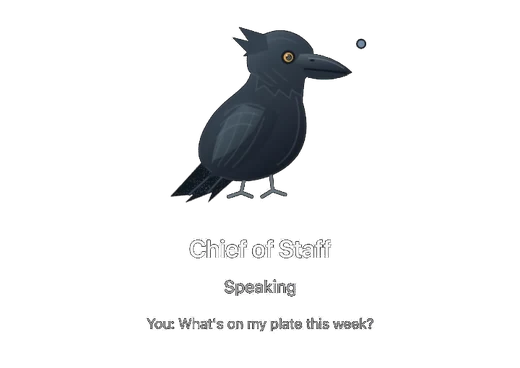
The Ravnir raven

That is the whole idea. Agents go out and do the work. What matters is what they bring back, and whether you can check it. Here are three things they bring back.

2The story is in Snorri Sturluson’s Prose Edda, written in Iceland around 1220. Ravn is the Norwegian and Danish word for raven.

1 of 3

Teach one. They all know.

Tell an agent something once and it writes it down as a plain Markdown note in a git repository on your server. Every other agent reads it on its next turn.

Each change names the agent that made it and the message behind it. Open the notes in Obsidian, or press Revert when an agent learned something wrong.

3Notes live in a folder of Markdown files under git. The agents read, search and write them; there is no hidden memory store.

4In the recording: Chief of Staff writes the preference to People/Alex.md, and the commit names the agent and the message that asked for it.

5Revert writes a new commit that undoes the change. It refuses when a later change built on the one you want to undo.

2 of 3

Every reply comes with its bill.

Under each reply sits a proof line: what the agent read, what it did, the tokens and what they cost. Home adds it up per agent and per day.

Give an agent a daily or monthly cap. It warns you at 80 percent and stops at the cap.

$0.00

What our whole model report card cost: six models, 18 tasks each. We know because Ravnir counted every turn.

6Caps are set per agent. The 80 percent warning arrives as one push per day or month, before the agent stops.

7Model report card, run on 25 October 2026 through OpenCode on the OpenCode Go plan, at the metered prices OpenCode reported.

8The recording uses a scripted demo model at a made-up price. Real models report their own prices.

3 of 3

It finishes the job.

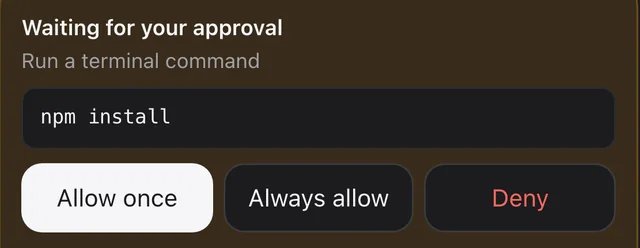
Agents check your saved logins, plugins and notes before they ask, and never ask the same thing twice. Risky commands wait for your approval.

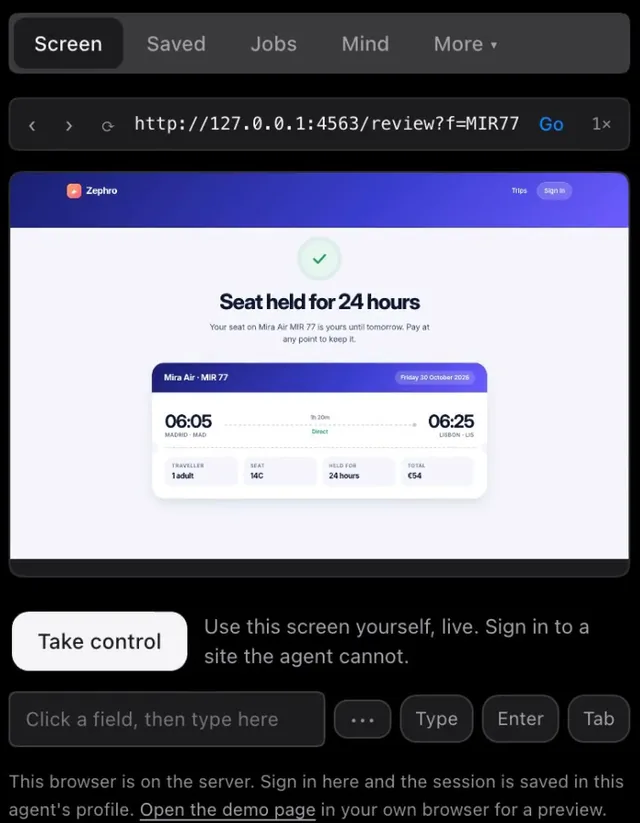
When a site needs a human, take over the browser and hand it back. Routines stay quiet unless there is news.

0.00 to 0.00

Questions per task, across six models and 18 tasks. The median was zero.

9A repeated question is refused by the server, and the agent gets the earlier answer back instead.

10Take control opens the agent’s own browser for you, live, on the same profile. The session it keeps is yours.

11A routine with nothing new is logged quietly, with no push and no card.

12Model report card, 25 October 2026. Two tasks need one question to pass, so a model that asks exactly when it must scores 0.11.

What each agent gets.

Every agent is a small computer of its own, on your server, with a job you gave it.

Browser

Its own browser

A real browser that stays signed in. It clicks, types and fills forms while you watch, and you can take it over any time.

Terminal

A terminal and a workspace

It writes and runs code, shows every change as a diff and follows your rules for what it may run.

Routines

Routines in plain words

A run that fails shows up on Home instead of failing quietly.

Team

Colleagues

Agents message each other, hand work off and answer when you tag them with @.

Plugins

Hundreds of plugins

GitHub, Gmail and 324 more in the catalog, plus any MCP server, the open standard for connecting tools to AI.

Voice

A voice

Talk to any agent from your phone or computer and hear the answer.

Logins

Saved logins

The server types the password into the page. The model never sees it.

Models

Any model

Start on free models, or connect the provider you already pay for.

Phone

Your phone

Add Ravnir to your home screen and get a push when an agent needs you.

Pick the model. We publish the scores.

We gave six inexpensive models the same 18 tasks, each on a fresh agent with its own browser: read an order behind a saved login, fill forms from the notes, fix a failing test, schedule a reminder, ask once when a detail is missing. Here is what they finished.

13From docs/model-report-card.md. Each task ran once per model, so a single pass or fail can flip between runs. The six models together cost $0.72.

Model report card, run on 25 October 2026 through OpenCode
ModelFinishedAsks per taskCost per taskMedian time
MiMo v2.6 Flash18 of 180.11$0.004828 s
DeepSeek v4.1 Flash18 of 180.11$0.005114 s
Qwen 3.8 Flash18 of 180.17$0.01020 s
Claude Haiku 5.517 of 180.11$0.007011 s
GPT-6 Luna17 of 180.17$0.004621 s
GLM 5.3 Flash14 of 180.06$0.008312 s

It runs on a machine you control.

Ravnir is not an app you download. It is a small server your agents live on, and you use it from a browser or your phone.

14The installer was tested on clean Ubuntu 24.04 machines, with Podman and with Docker.

Installer

Linux server

One command installs everything, including a private link for your phone.

Beta guide

Mac

On a Mac that stays on. Beta testers get a step by step guide and help with the setup.

Not yet

Windows

Not tested yet. If that is what you use, say so in the form and it moves up the list.

Ask for a place in the beta.

We are letting a small group in first, so we can help each person get set up and fix what they run into.

  1. Tell us how you would use it.
  2. We email you access and the setup guide.
  3. Start on free models, so there is no model bill to try it.

We only use your email to send your beta access and setup help. Reply to any of our emails to be removed.